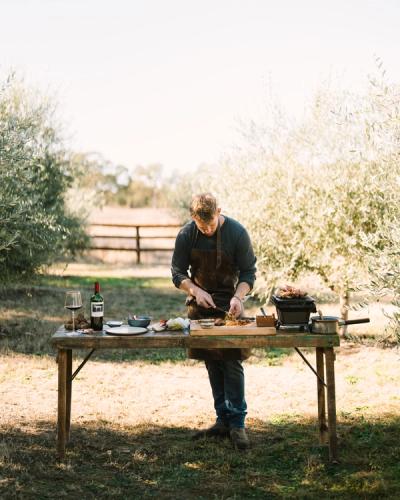
Chef David Nayfeld's Recipe for Togetherness
39.1865° N, -106.8173° W
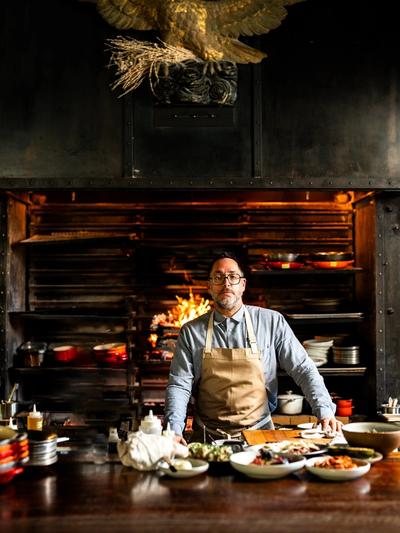
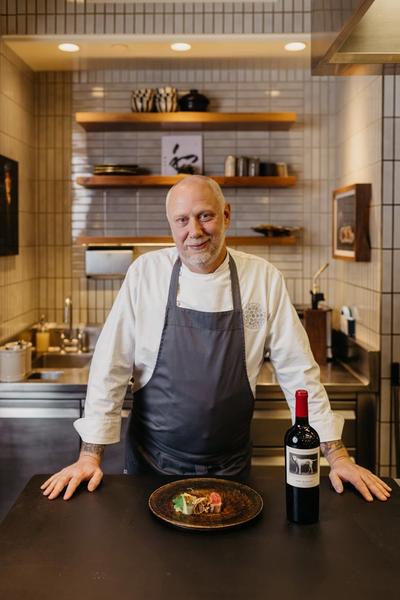
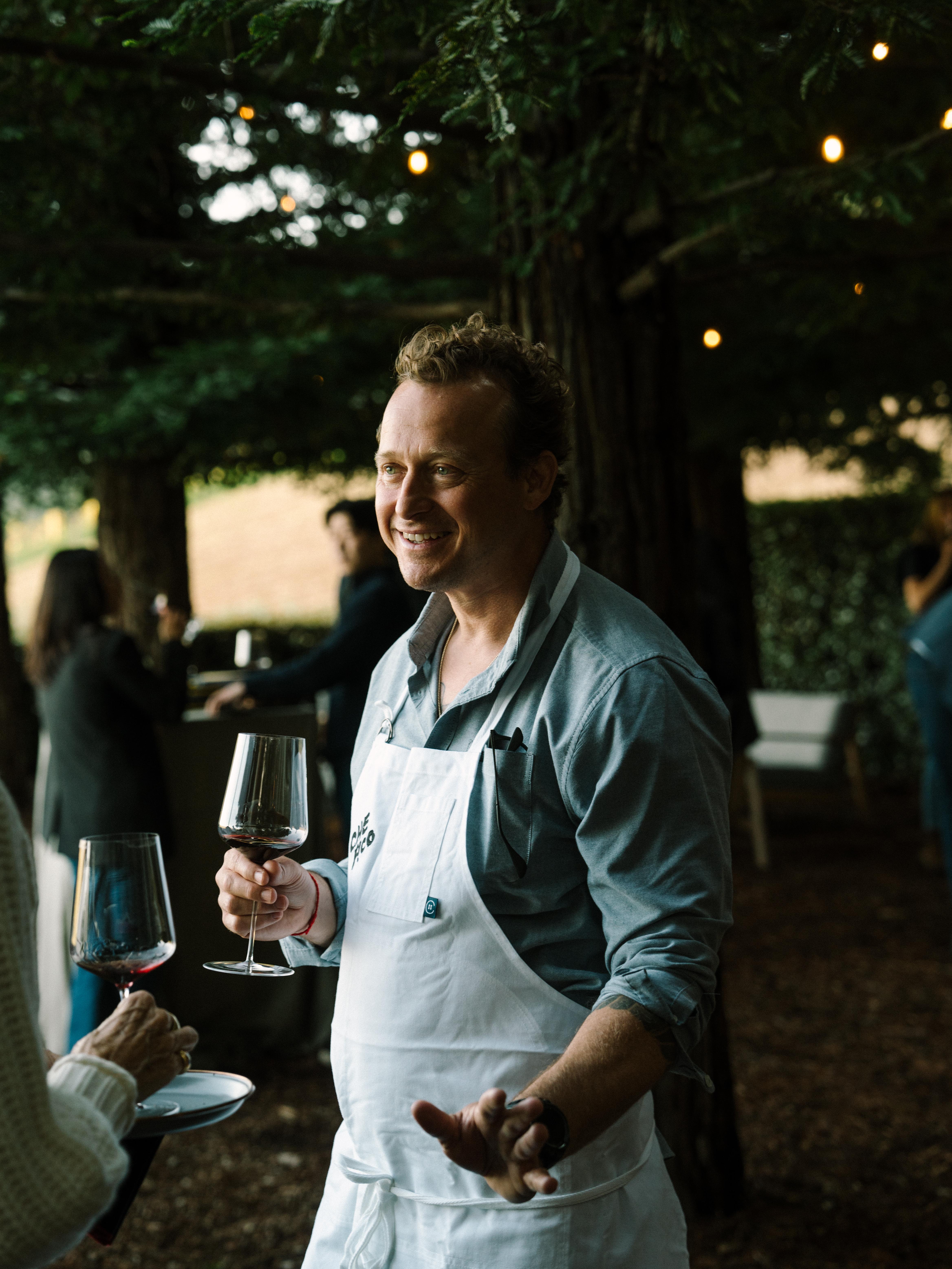
David Nayfeld has built a reputation for mastering a laid-back dining experience, one that feels warm, inviting, and like you've joined a close friend's dinner party. While he was building a name in the San Francisco Bay Area, The Mascot was growing its vines. It's only fitting that the two crossed paths, both built on the same idea: food is best shared at a table with family, friends, and new connections.
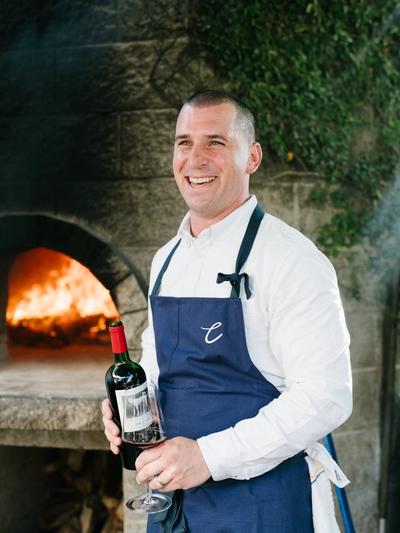
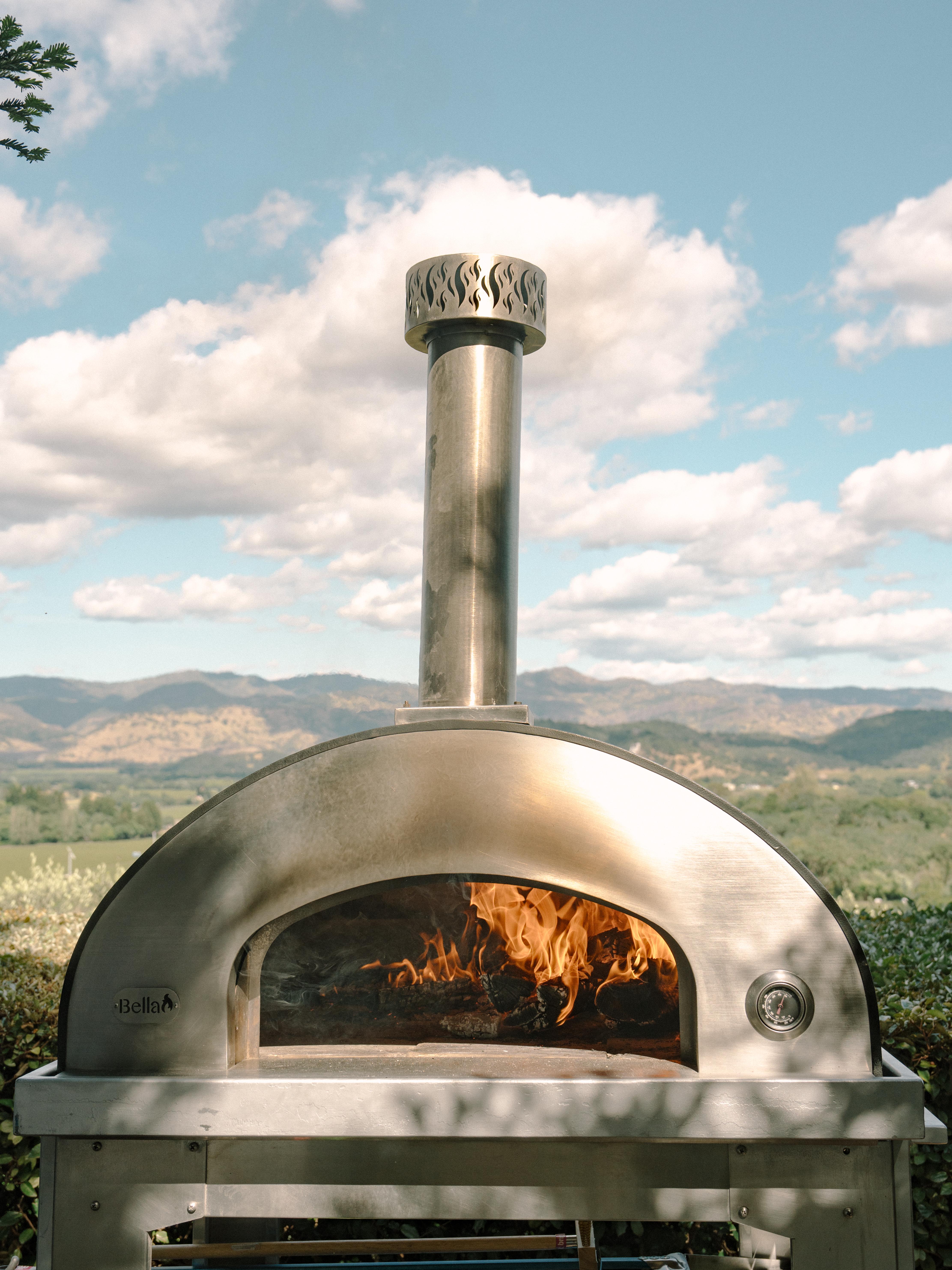
Hosted by Will Harlan and family, we held the first-ever Dusk Patrol, seasoned with Chef David's famous wood-fired pizza and a few favorite Italian-inspired bites. Of course, paired with hand-selected vintages of The Mascot.
Between pizza and wine, we got David talking about family, food, and the recipes he cherishes at home. Here's what he shared.



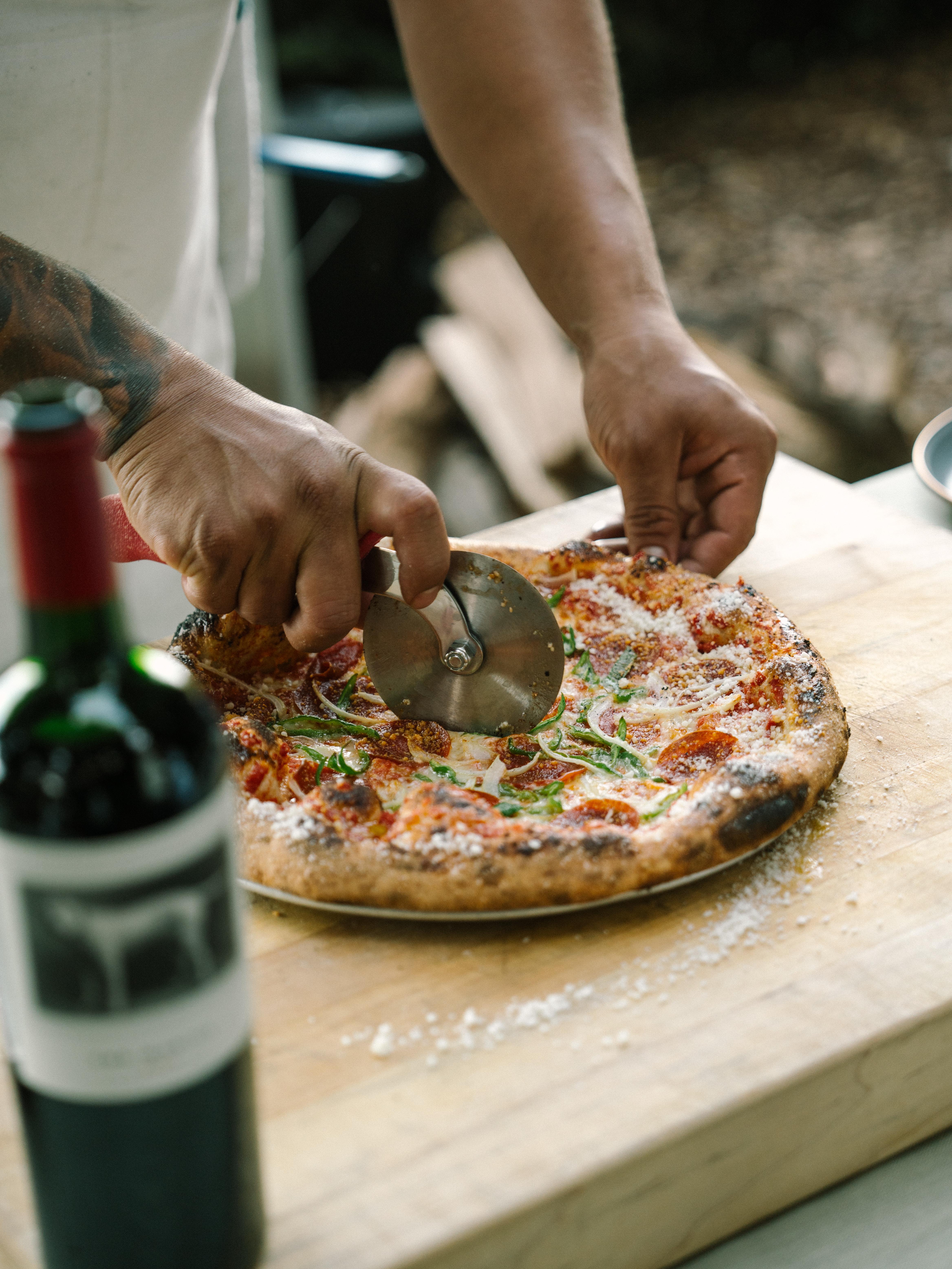
Before The Mascot was released, it was an unmarked, unlabeled wine shared at the table with the Harlan family. What is one of your favorite sacred family recipes that has made it onto one of your menus?
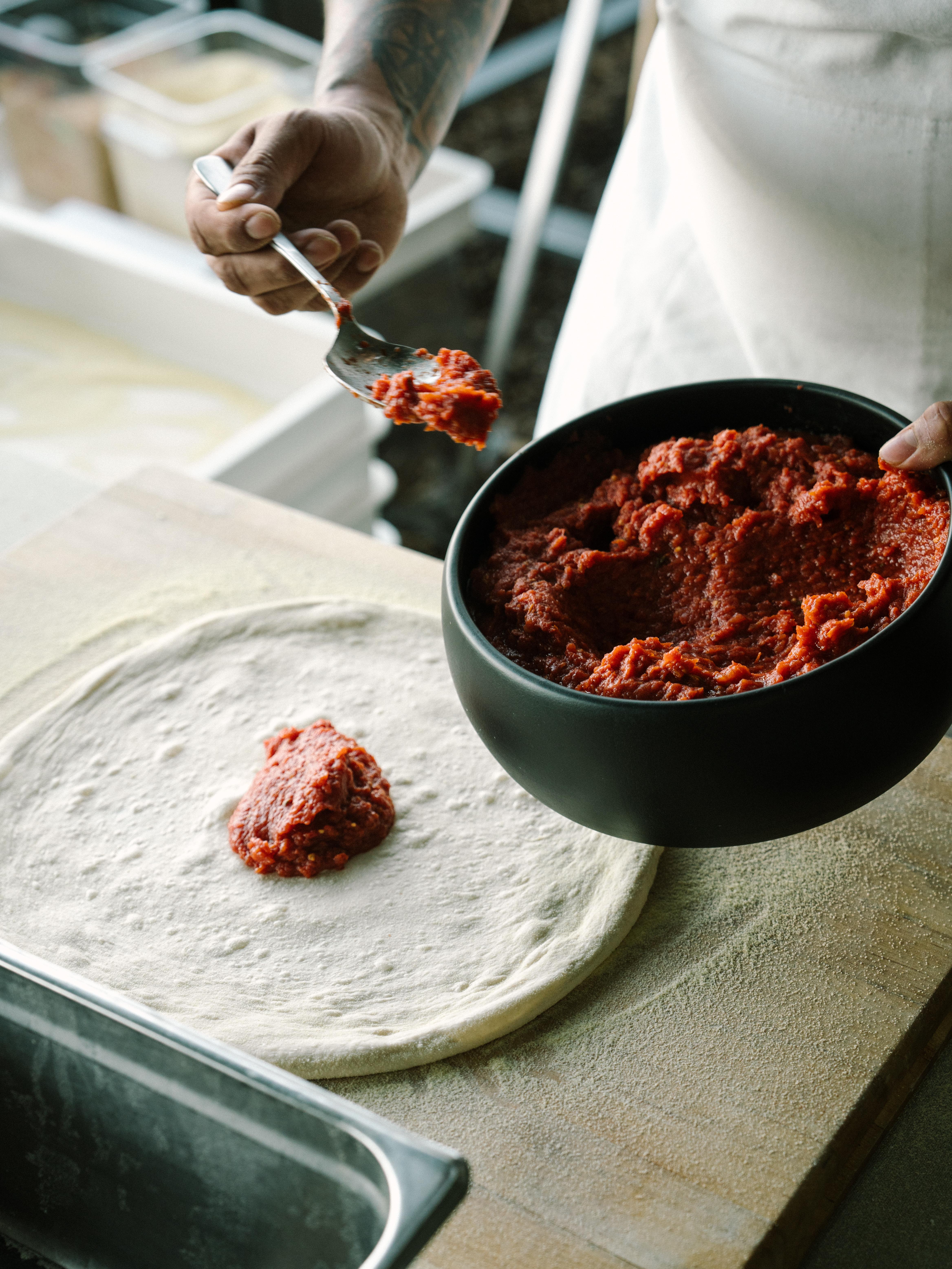
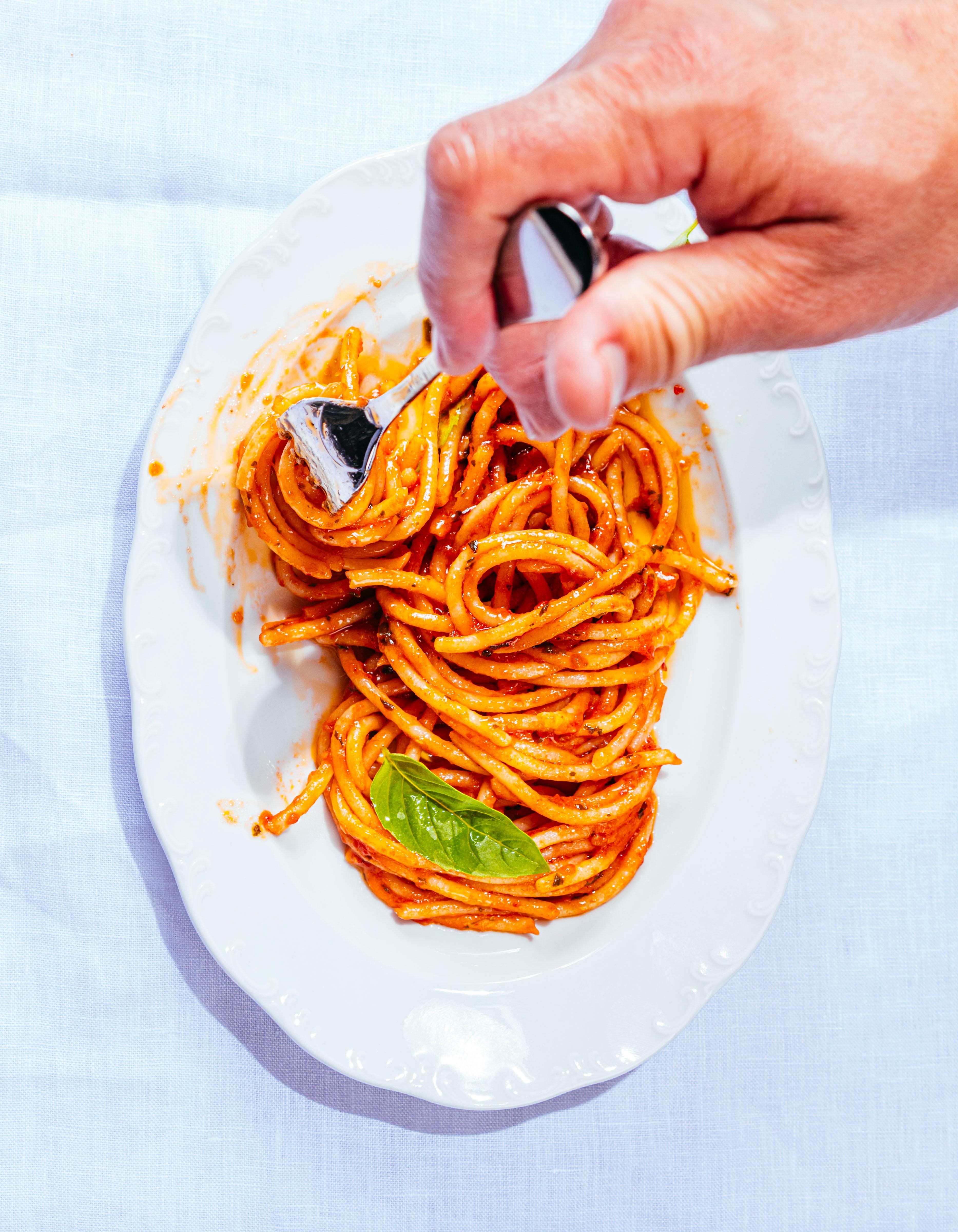
A simple pasta pomodoro. I’ve been making it for years. For myself, for family, for friends, and now for my kids. It's made it onto countless menus of mine and into my cookbook. It’s such a great, versatile recipe. (Recipe featured at the bottom of the page.)

In your book, Dad, What’s For Dinner? you share easy recipes for busy families and kids. How has fatherhood shaped how you cook and influenced your creativity in the kitchen, both at home and in your restaurants?
It's influenced the way I work with people, and being a dad has played a major role in how I interact with others through my patience and ability to be more understanding and accepting.
What do you think is the most valuable thing that comes from sharing family meals and time in the kitchen cooking together?
It’s time. Time is the one thing you can’t get back. Time is the one resource you can't re-earn. You can’t buy it. No matter how much money you have, you can't buy more time on earth. When you’re spending time together in the kitchen or over a meal, you are creating moments and memories with your family. You're leaving them with long-lasting impressions that they're going to take with them. What I love about a family recipe is that it can outlive you. So, if you give your kids a recipe, it's going to be a memory for them every time they make it. They get to think about you. They get to remember you, and that's a really beautiful part of a recipe.
"Time is the one resource you can't re-earn. You can’t buy it. No matter how much money you have, you can't buy more time on earth."

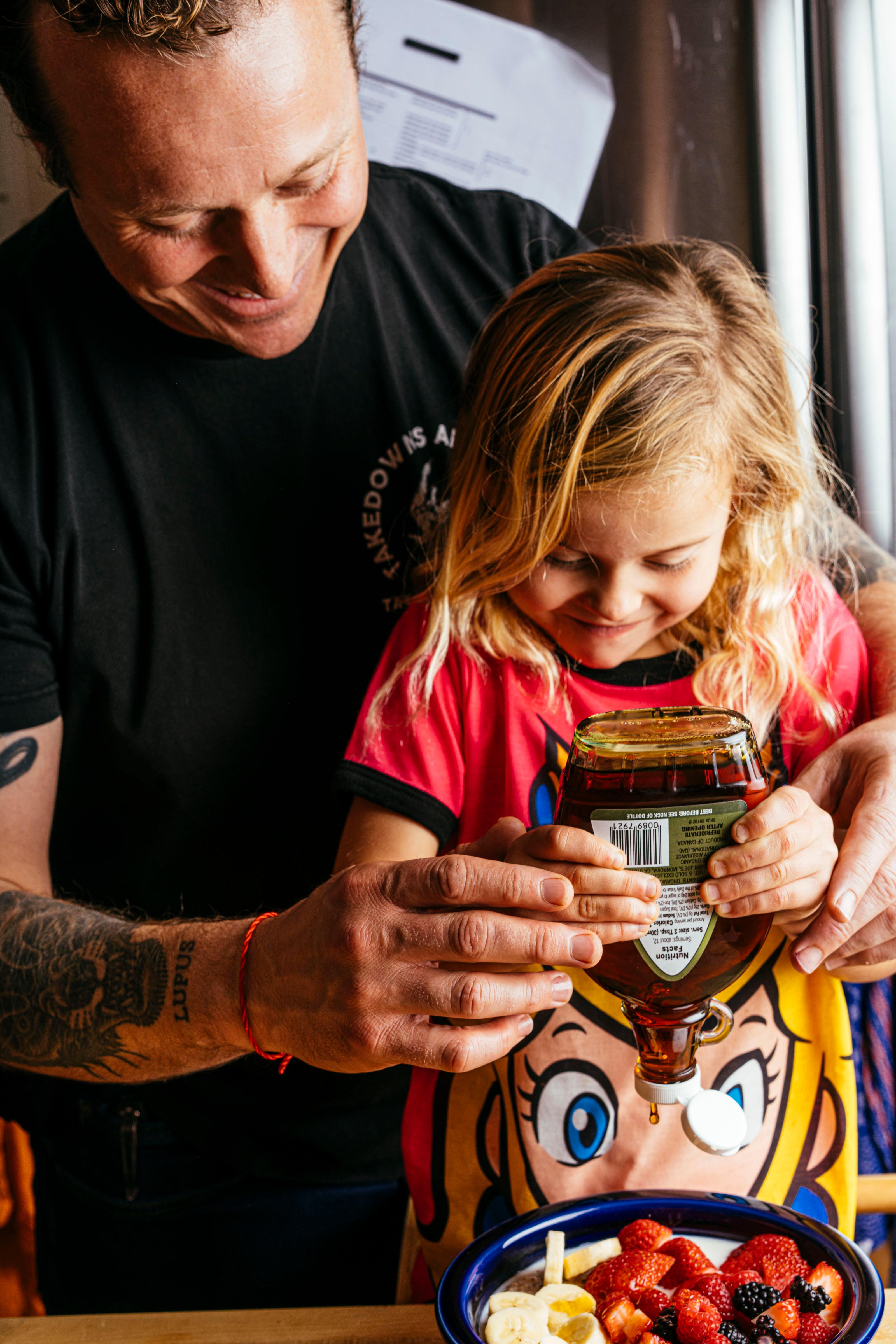

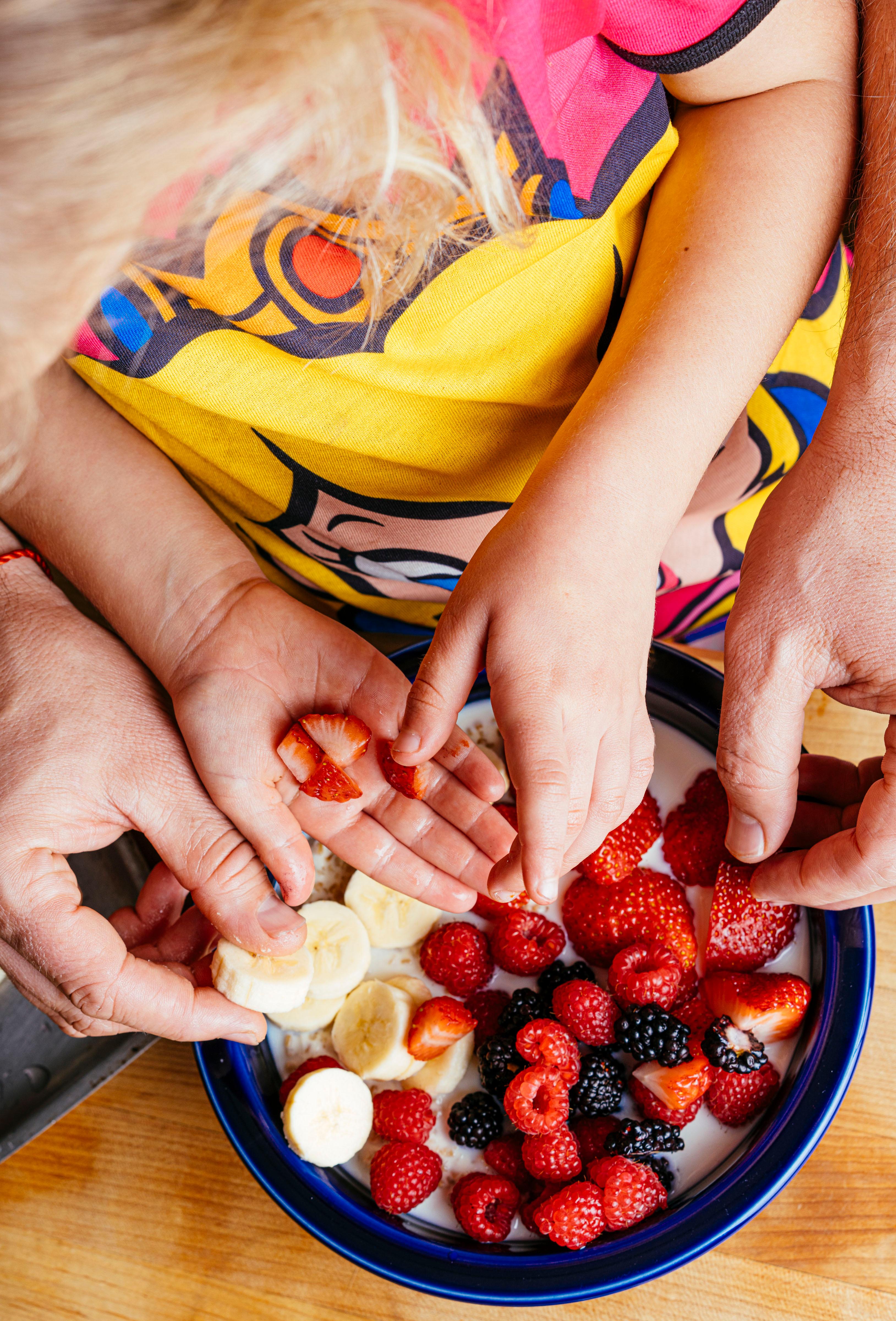

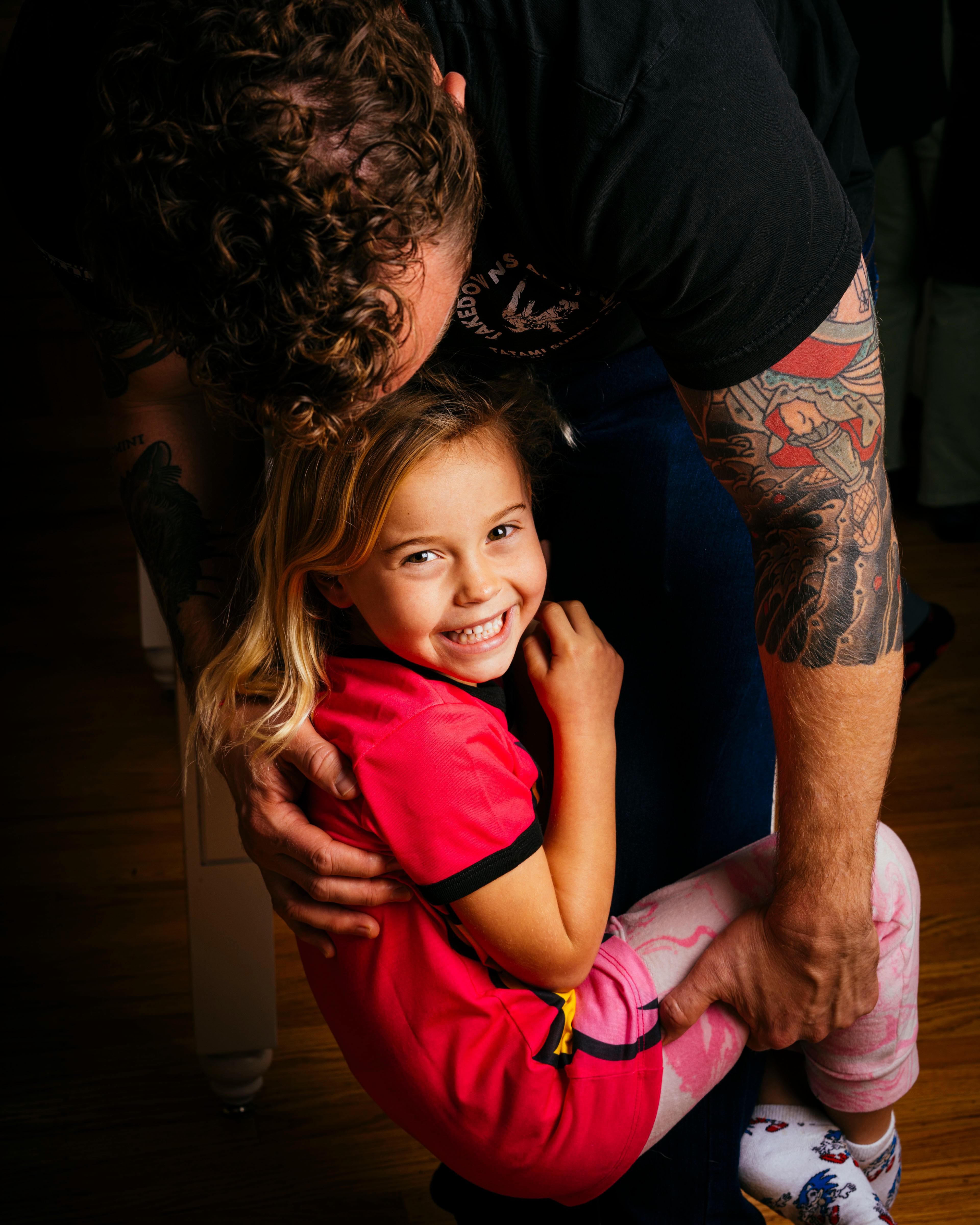
What memories do you hope your daughter, Helena, has about eating at the dinner table with family?
What I really want her to take away from it is the intention of being together. Togetherness is one of the most important parts of any family dynamic, any relationship. Who you make time for says a lot about your priorities in life.
"Togetherness is one of the most important parts of any family dynamic, any relationship."

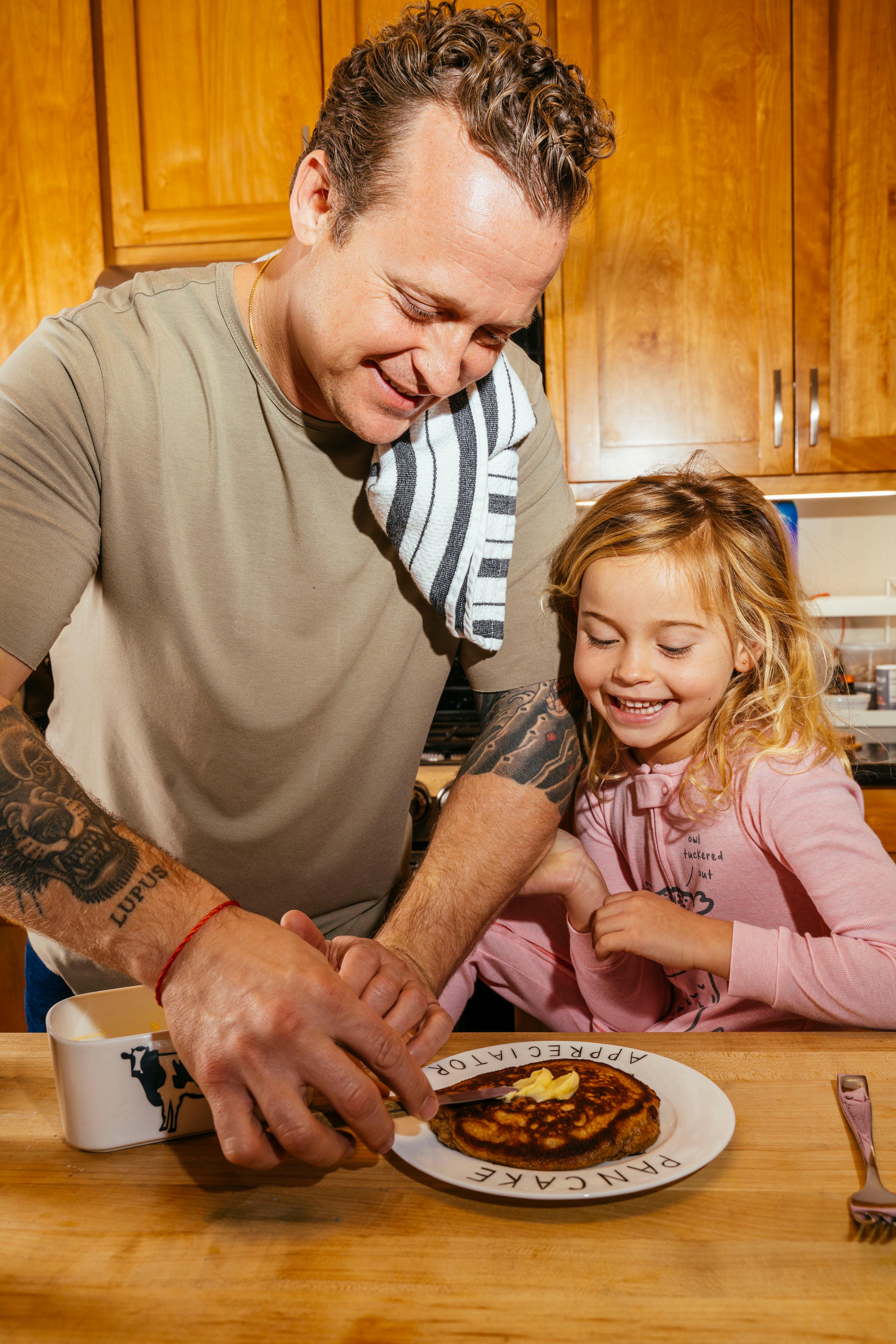

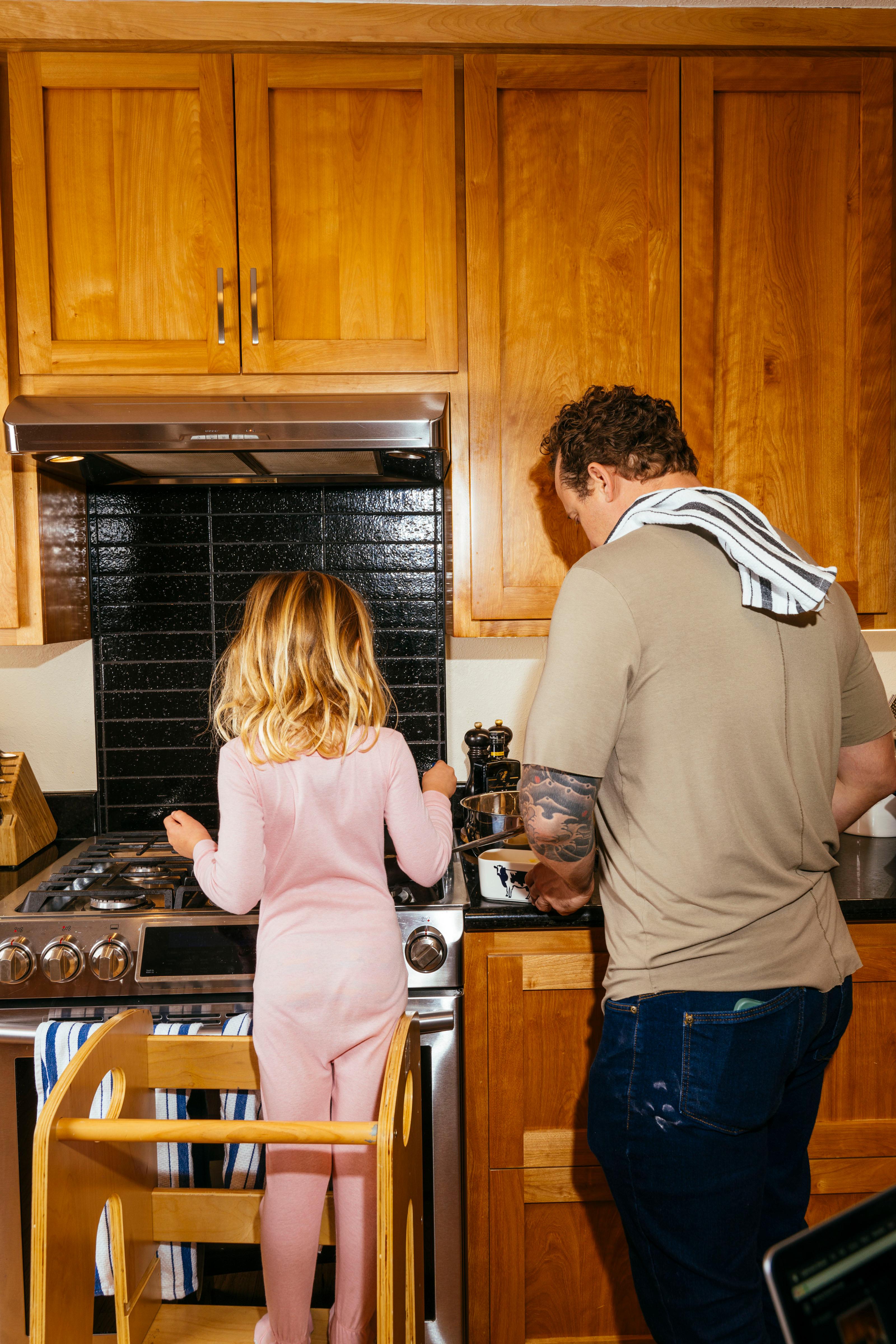
As we approach the holiday season, what advice do you have for hosting gatherings that stay easy and harmonious?
Don't overwork yourself. If you are hosting people and you've created so much work for yourself that it's not fun, you're not engaged as a host, and you're not enjoying it, then it's not fun for anyone. If that means making things you just need to pop in the oven when your guests come, or serving room-temperature food, that is totally fine. You don’t want your hard work to be at the expense of enjoying the experience with your friends and family.
You’ve built an admirable reputation with your restaurant group and Back at Home Hospitality. Of all endeavors, what makes you most proud about the work and life you’ve created thus far?
My reputation as a leader within the community is something that I'm very proud of. I often have peers who come to me with questions or when they need help, and I've become someone they trust and look to for support. It's important to me because I've lived in a way that is more than just about myself. Others recognize that I'm willing to support them, and that makes me really proud. People don't feel intimidated to come to me for help and guidance because they know that I'll share, and they know that I'll support other people beyond my means.
Your food and restaurants have an inviting, laid-back, and authentic energy, as if you’re at a close friend's or family member's dinner party. What are the most important components to creating that kind of atmosphere when cooking at home for loved ones?
Thoughtful intention. Thinking about how you can spend more time and energy focusing on time with your guests rather than on perfection. I think the amount of attention that you put into little things matters, and it speaks volumes to people. In our restaurants, we go out of our way to make sure that even the art on the menu makes a statement about who we are and our values. You can find little ways to do that for guests, whether it's a beautifully handwritten place card or a thoughtful seating arrangement. Or, introduce a fun activity they can do as an icebreaker or a conversation piece. I also love a cute parting gift when they're going home, such as a bottle of jam or lemons from your backyard. Something thoughtful that adds an extra layer to the hospitality. That's something that we're constantly thinking of in our restaurants, and when applied in a home setting, it has the same, if not more, lasting benefit.
From David Nayfeld’s “Dad What’s For Dinner”
Pomodoro Sauce:
3 ⅓ cups (790ml) extra-virgin olive oil
24 garlic cloves (120g) (about 2 or 3 heads), thinly sliced
8 (28-ounce/794g) cans crushed tomatoes
4 bunches basil (6 ½ ounces/180g), leaves picked
¼ cup (40g) kosher salt
- In a large saucepot, heat 2 cups (470ml) of the olive oil over high heat until warm, not hot. Add the garlic and once it starts to sizzle and becomes fragrant, add the tomatoes, the basil, and the salt.
- Bring to a boil. Once boiling, reduce the heat to medium and keep partially covered. Allow to rapidly simmer for 45 to 60 minutes, depending on the size of your pan, stirring occasionally so the sauce does not scorch. As it cooks, the olive oil should float toward the top.
- Remove from the heat, add the remaining 1 ⅓ cups (320ml) olive oil and slowly mix it in. Stir it for a minute to fully incorporate. Pour over your favorite pasta.